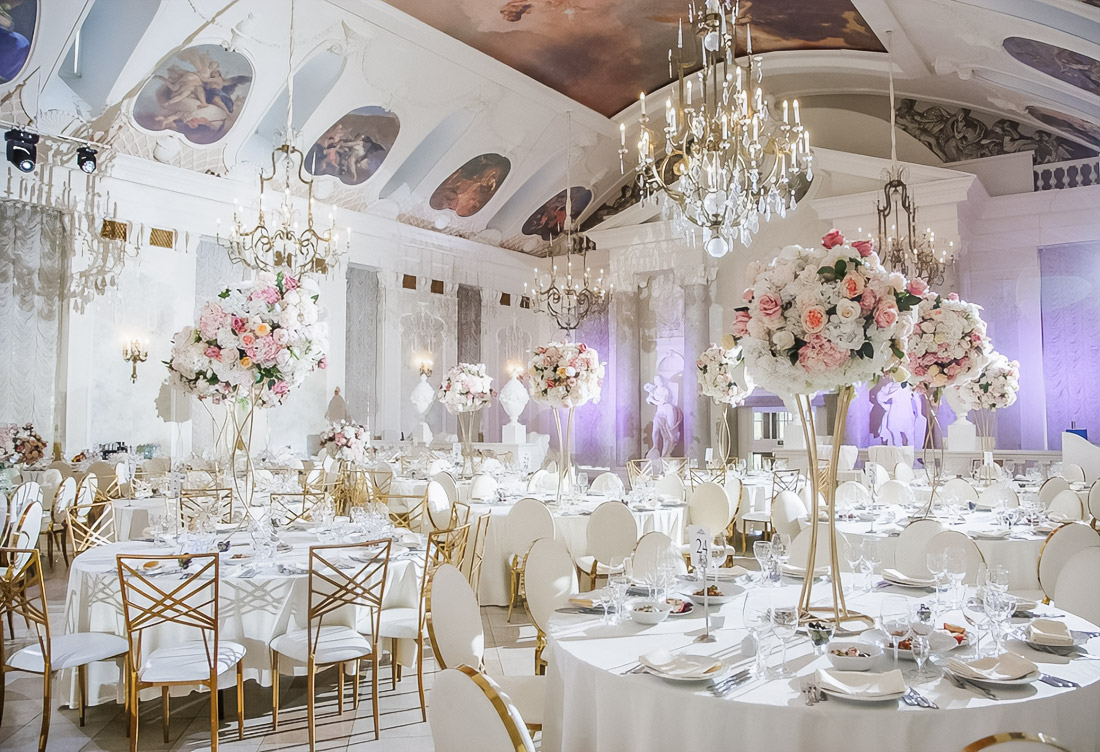
A corporate event has long ceased to be just an evening reception with dinner and entertainment. A modern gala dinner is a complex system in which strategy, scenario thinking, guest path, brand storytelling, audiovisual solutions and strict operational discipline intersect. An error at any level, from timing to light, instantly affects the perception of an event and its effectiveness. This is why experienced event organisers in Dubai treat gala dinners as managed experiences rather than standalone celebrations.
Planning such an event takes several months, and this is not an excess of caution but a necessity. Large-scale events include hundreds and sometimes thousands of guests, dozens of contractors, complex logistics, and the simultaneous work of multiple teams.
The Objectives of the Event Are the Basis of the Entire Architecture
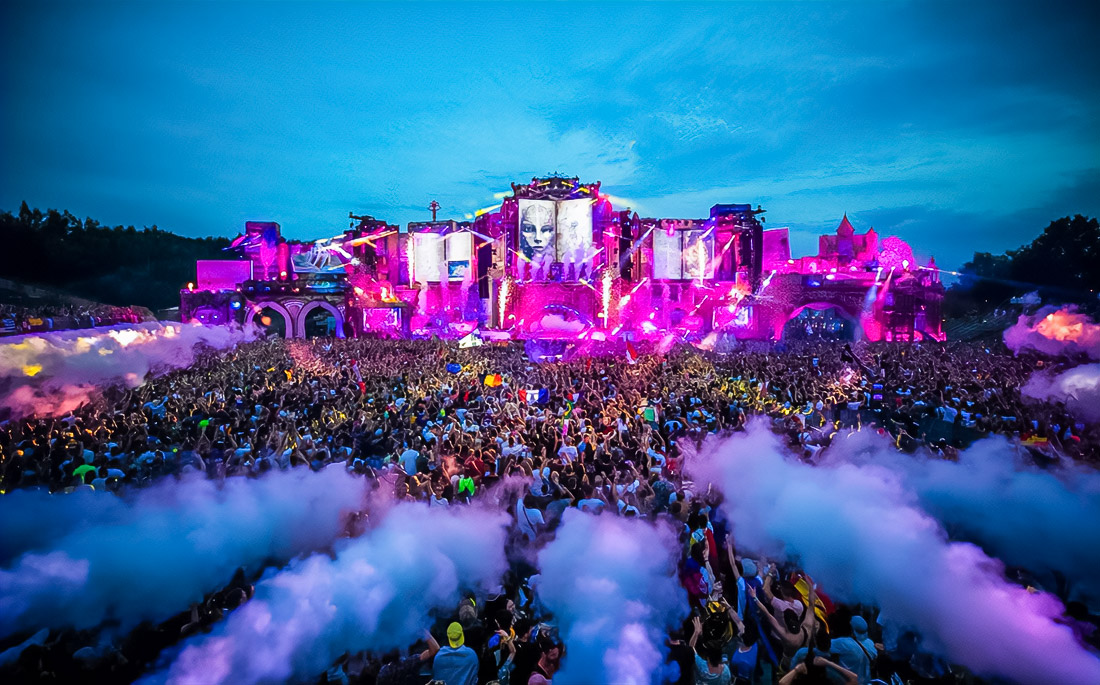
Any event management does not begin with the venue or the decor but with the clearly defined objectives of the event. This can be a celebration of the stage of development, internal motivation of the team, public recognition of achievements or fundraising. The concept of the event, the scenario of the event, the evening programme, and even the nature of the entertainment depend on the goals.
Clear goals allow you to set the event’s KPIs and later conduct a post-event analysis: compare expectations with results, evaluate audience engagement, guest feedback, and budget compliance. Without this, the gala dinner turns into a beautiful but poorly managed expense.
Budgeting and Cost Control: Not Just Numbers
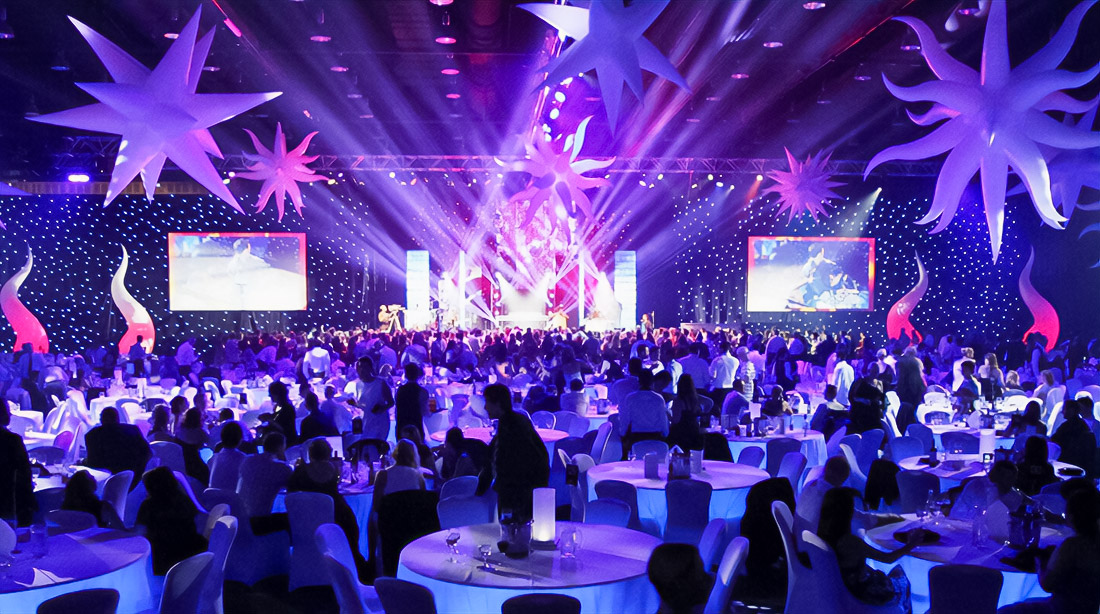
Budgeting in corporate events is not just a list of costs. It is a decision-making tool. The budget takes into account the venue, food and drinks, decor, floristry, audiovisual solutions, event logistics, security, staff and the show programme.
Practice shows that a budget reserve of about 10% is almost always needed. It is not used for frills but for risk management: technical adjustments, timing changes, additional safety requirements, or contractor replacements. This approach is standard practice for high-level event organisers in Dubai, where flexibility and readiness directly affect event outcomes.
Site Selection and Logistics as a Factor of the Guest Experience
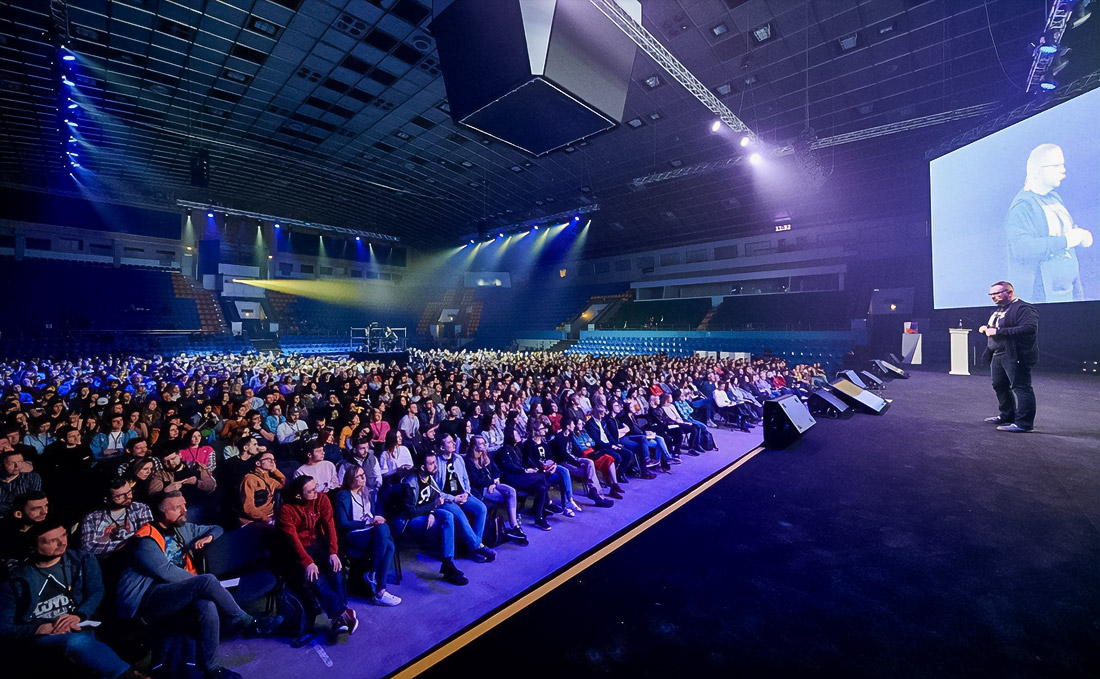
The choice of a venue is not only about the capacity of the venue. These are accessibility, navigation, technical capabilities, logistics of supplies, the possibility of rehearsals and compliance with the concept of the event. Mistakes at this stage are almost impossible to compensate for later.
The logistics of the event directly affect the user experience of the guests: the speed of registration, ease of movement, clarity of seating, and the absence of “failures” in the programme. It is here that the guest’s path is formed — from the first impression to the final moment of the evening.
The Scenario of the Event and the Program of the Evening
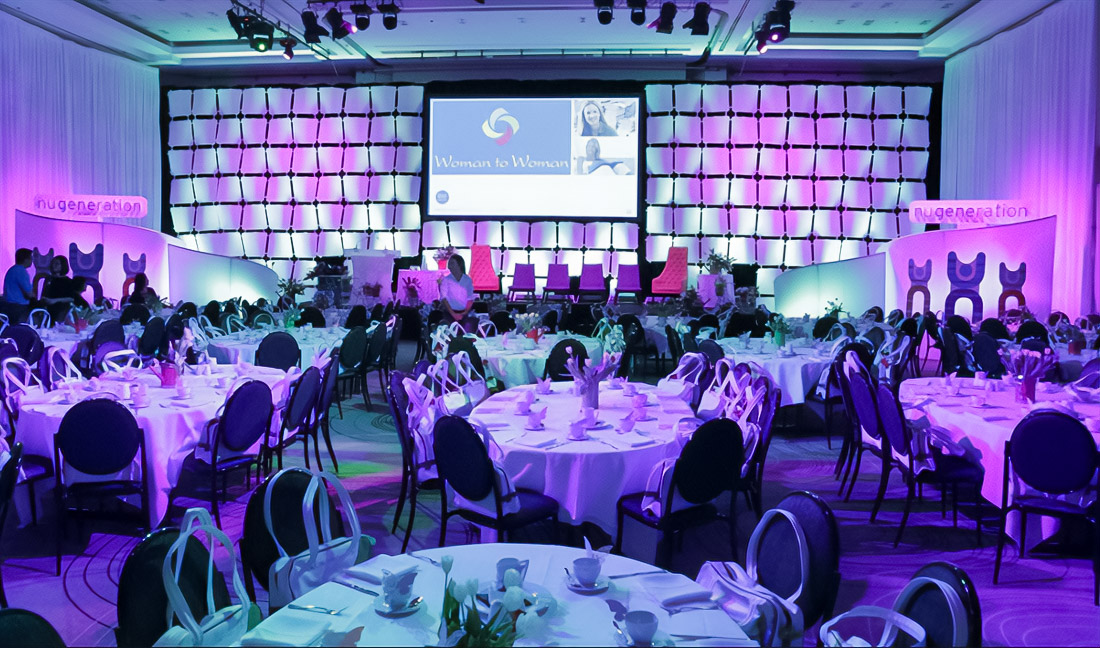
The event scenario is not a list of items but an emotional route. It includes the beginning, climax, pauses, transitions, and finale. A good script relies on minute-by-minute timing, where every minute makes sense.
The evening’s programme should take into account the attention of the guests. Long blocks without changing the rhythm, delayed serving of dishes, or uncoordinated performances quickly destroy audience engagement. Therefore, the show flow and transitions between parts of the programme require no less study than the main performances.
Brand Integration and Storytelling Without Direct Advertising
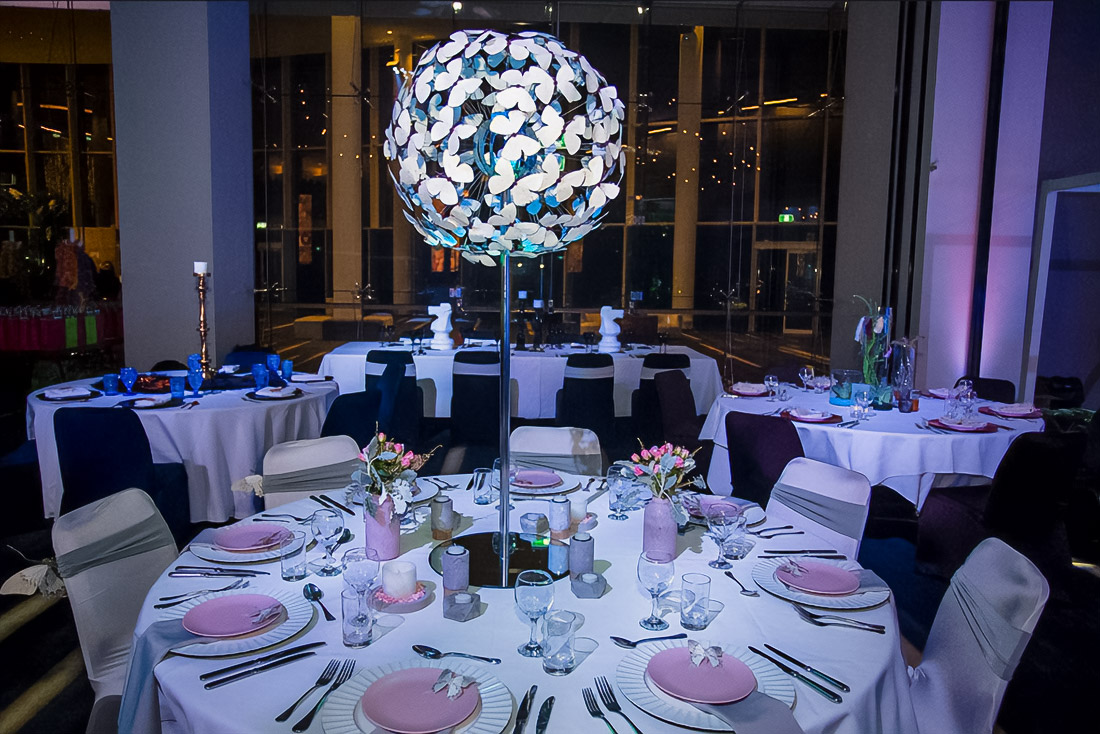
Brand integration in a gala dinner only works when it is embedded in the narrative. Direct demonstration of logos rarely has an effect. Visual identity, colour schemes, set design, and a unified tone of communication work much more strongly.
Brand storytelling is evident in the details: in the script, in musical accents, in the visual narrative on the screens, and in the choice of entertainment. Guests should read the brand’s message intuitively, not through direct statements.
Audiovisual Solutions and Technical Discipline
The lighting design and sound accompaniment create an atmosphere and manage the attention of the guests. An audiovisual balance is important here: too bright a light or loud sound is tiring; insufficient ones create a feeling of carelessness.
Technical rehearsals are a mandatory part of the preparation. They allow you to identify weaknesses before the event begins: audio dead zones, script errors, and content synchronisation issues. Failure to rehearse almost always leads to disruptions on the day of the event.
Entertainment Program and Immersive Experience
The entertainment programme has ceased to be a backdrop. A modern gala dinner is built around an immersive experience where guests are not just watching but emotionally involved. This is achieved through interactive elements, customised entertainment, and working with space and pace.
It is important that entertainment supports the scenario and goals of the event, rather than existing separately. Even a strong show loses its effect if it is not in the general context.
Nutrition, Immersive Dining, and Touch Design
The gastronomic experience is one of the key elements of the evening. Food and drinks should be synchronised with the programme, take into account dietary requirements and work for the overall impression.
An immersive dinner includes not only taste but also presentation, light, sound, and visual accents. The touch-sensitive design enhances the memorability of the event and directly affects the emotional assessment of the guests.
Risk Management and Confidentiality
Even a perfectly planned event requires a plan B. Risk management includes technical failures, programme changes, force majeure, and security management. The availability of backup scenarios is an indicator of mature event management.
A separate aspect is privacy and confidentiality. Clear rules on photography and video and publications and communications form the trust and professional reputation of the organisers.
Post-Event Analysis and Performance Evaluation
The work doesn’t end after the final round of applause. Post-event analysis allows you to evaluate the effectiveness of the event: meeting goals, budget compliance, audience engagement, guest reaction, and digital engagement.
This is where it becomes clear whether the gala dinner was just a beautiful evening or a tool that really worked for the business.
A corporate gala dinner is a managed system where strategy, scenario, guest experience, and operational discipline work together. When all the elements, from budgeting to lighting design, are subordinated to a single logic, the event ceases to be a one-time event and becomes a point of growth, influencing perception, attitudes and results.

I am an accomplished coder and programmer, and I enjoy using my skills to contribute to the exciting technological advances that happen every day.