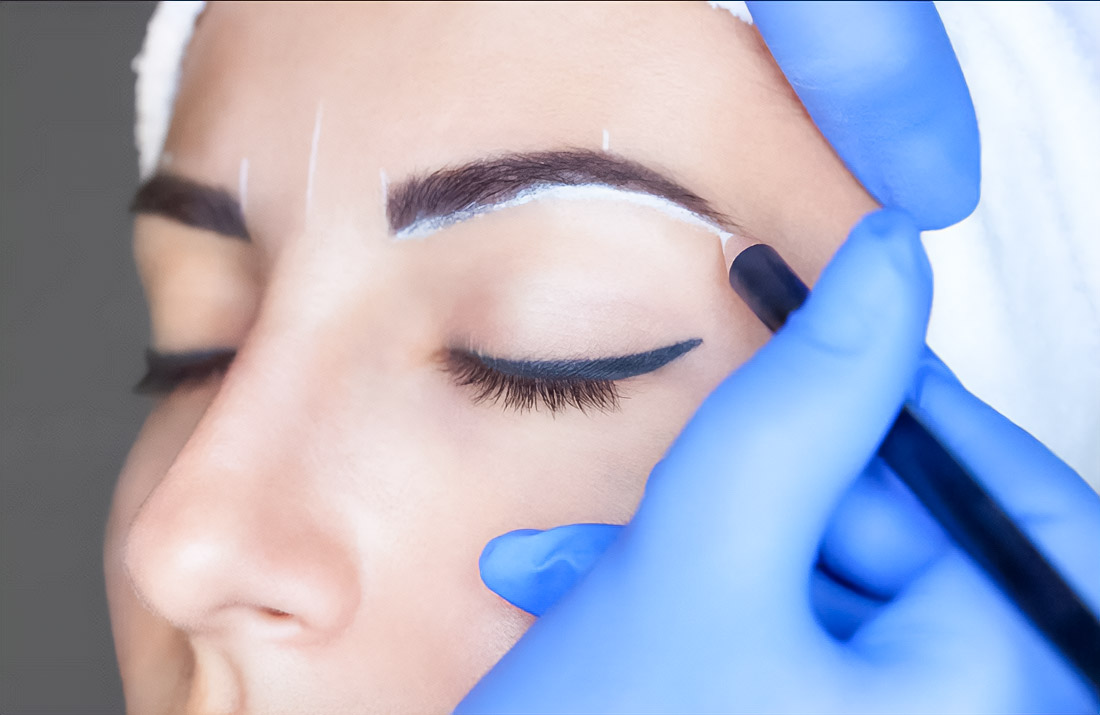
Permanent makeup for eyebrows, lips and eyelids has not had a universal solution for a long time. Despite the controversies in the professional environment, the reality is simple: the result of the procedure is formed not only by the technique of the master, but also by the method of pigment implantation, the depth of exposure, the level of skin injury and process control. It is these factors that determine the healing, durability and quality of the healed results.
Pigment Implantation and Skin: What Really Happens
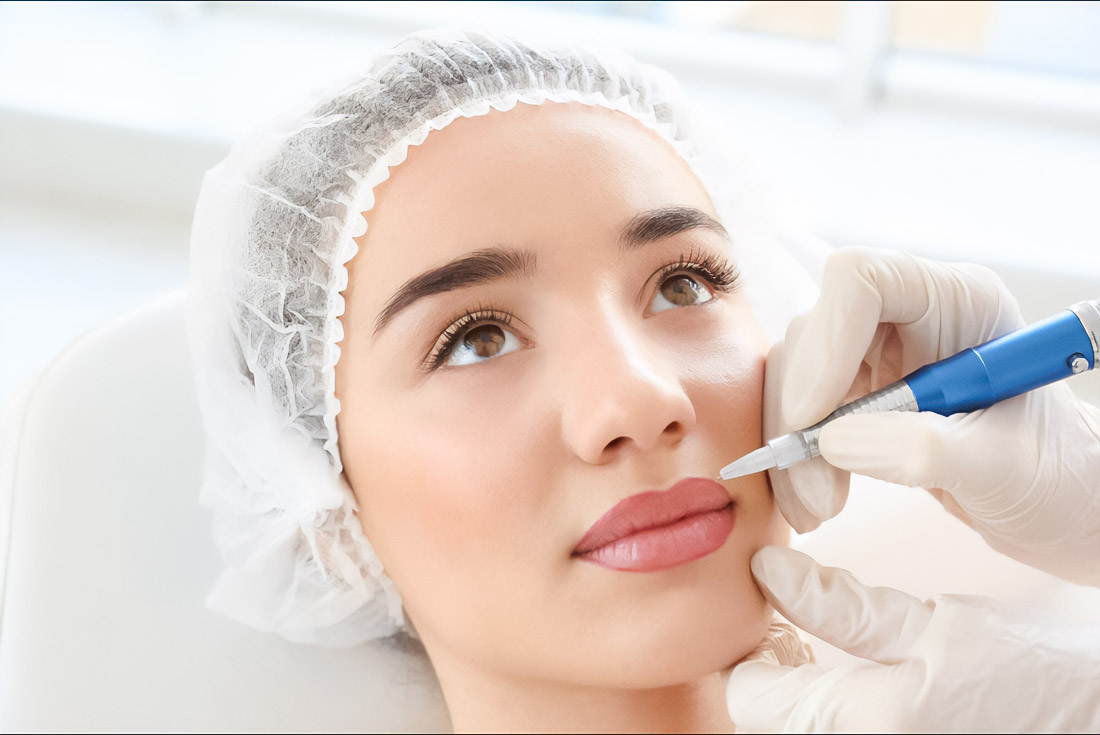
Permanent makeup is a micropigmentation in which pigment is injected into the skin using needles. Regardless of whether manual or machine technology is used, there is always an impact on the skin. The difference lies in the nature of this impact.
The depth of the pigment implantation, the speed of the needle movement, the pressure of the master’s hand and the stability of the instrument directly affect:
- Skin injury rate
- Uniformity of pigment distribution
- Retention of pigment after healing
- Risk of scarring and tissue damage
If the parameters are not balanced, the result is spotty healing, uneven colour, increased need for corrections and deterioration of the skin condition.
Manual Methods: Control, But Increased Risks
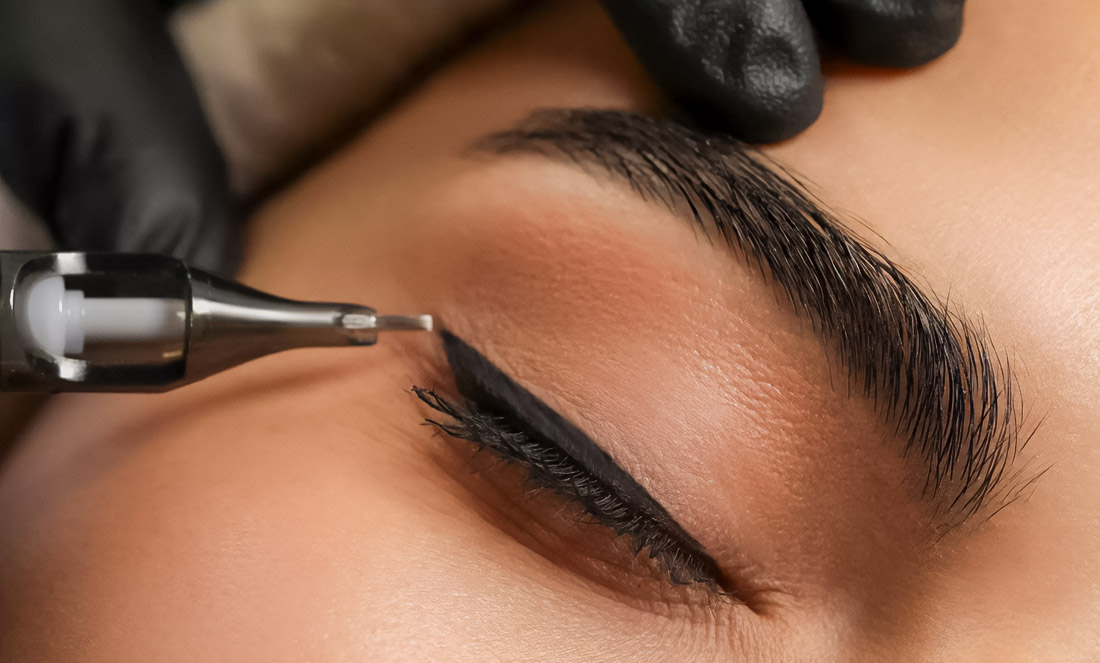
Manual micropigmentation methods include techniques in which the master works with a tool with groups of needles – most often from 9 to 21 needles. The pigment is implanted either through micro-incisions or through the method of controlled tapping (punctures).
The advantage of manual technology is a high level of tactile control. However, it is the human factor that plays a key role here. If the pressure is incorrect or there are repeated passes through the same area:
- Skin injury increases
- The risk of scarring increases
- Healing slows down
Practice shows that repeated manual procedures 2-4 times over several years significantly increase the likelihood of scar tissue formation, especially on thin and age-related skin. This is especially relevant when semi permanent makeup is chosen as a long-term strategy for subtle facial rejuvenation, where skin integrity is critical.
Machine Methods: Stability and Accuracy
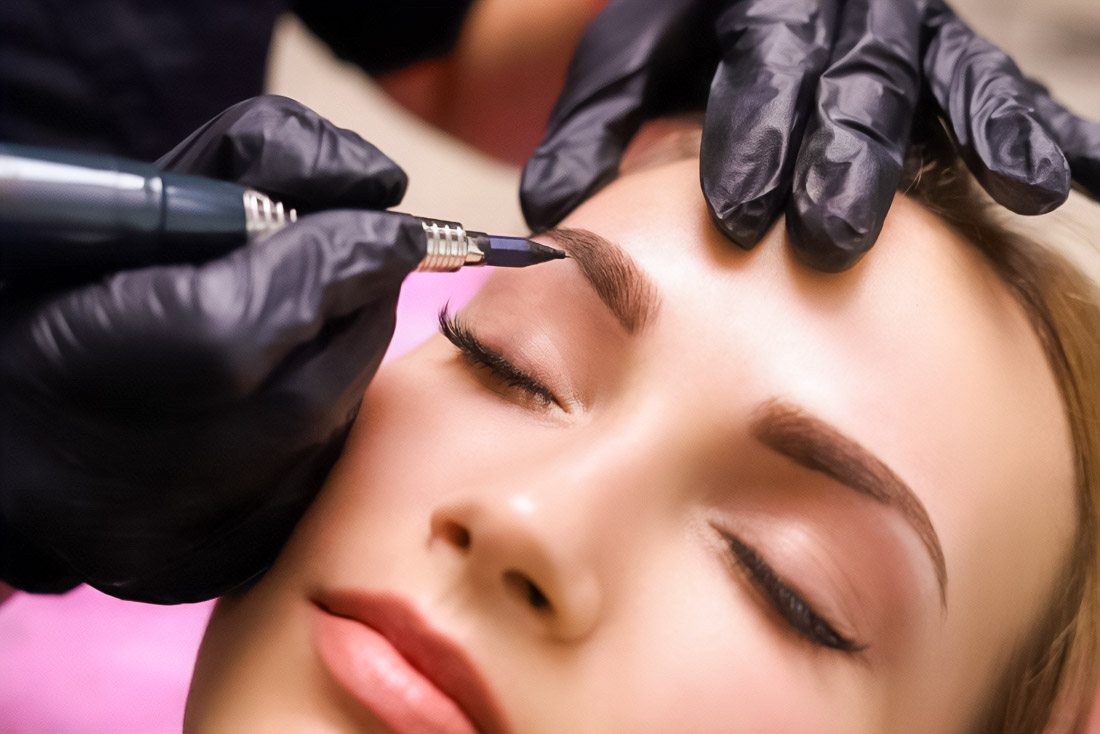
Machine technology involves the use of a device where the needle makes vertical movements at a given speed. In this case, the pigment is implanted through multiple micro-punctures, rather than extended incisions.
Key parameters affecting the result:
- Work speed
- Implantation depth
- Vibration
- Needle stroke stability
With the correct settings, the machine method allows you to:
- Reduce the level of skin injury
- Achieve a more even distribution of pigment
- Improve healing results
However, excessive speed or poor hand movement technique can still lead to skin damage, bruising and unnecessary trauma, particularly in delicate facial zones often treated for facial rejuvenation.
Skin Injury and Healing
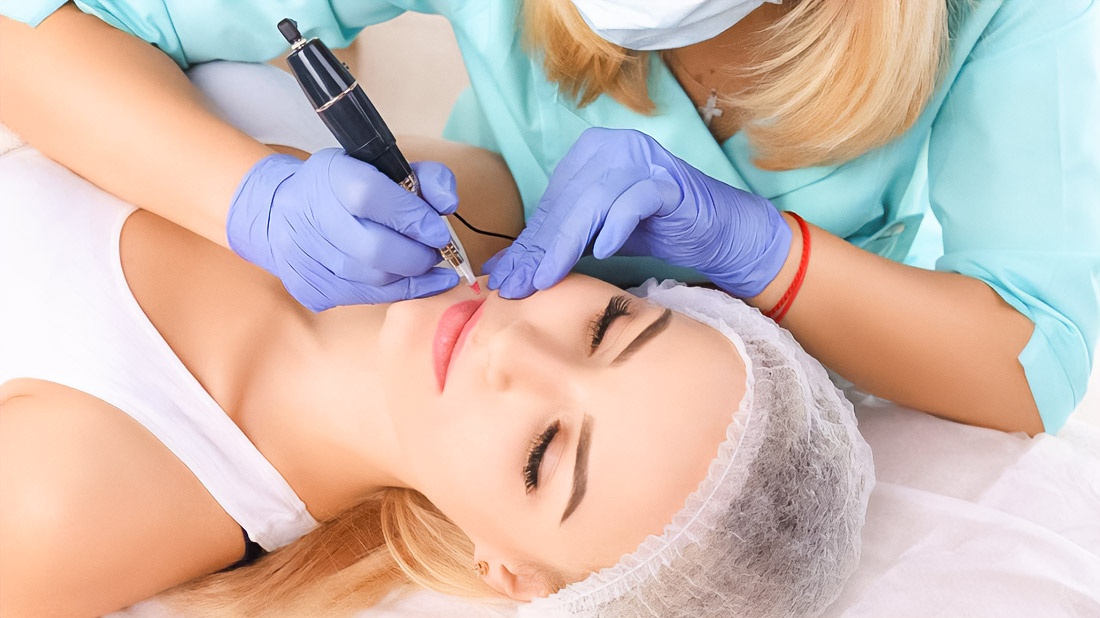
Regardless of the method, the skin goes through the same stages of recovery. The average period of primary healing is 10-14 days, during which redness, peeling and mild inflammation are possible.
The difference shows up later in the quality of the healed results.
- Uniformity of color
- Maintaining line clarity
- Absence of scars
Corrections after manual methods are usually prescribed after 6-8 weeks, whereas after machine procedures, it’s after about 12 weeks, which is due to the different dynamics of skin restoration.
Skin Type as a Key Factor
Skin type is often underestimated, but it determines the choice of technique. Thin, sensitive skin and age-related skin (approximately 55+) require:
- Minimum pressure
- Reduced speed
- More superficial implantation
Dense and porous skin, on the contrary, may require more active work to retain pigment, but at the same time remains sensitive to overload and repeated passages.
Durability and Natural Effect
Permanent makeup refers to semi-permanent procedures. The average retention period is 1-2 years, after which the pigment gradually brightens. The rate of elimination depends on:
- The depth of implantation, Skin type. and the level of injury during the procedure.
Excessive depth does not increase durability but rather increases the risk of discolouration and skin damage.
The Mistakes of the Artists and Consequences.
The most common causes of unsatisfactory results:
- Incorrect operation speed
- Excessive pressure
- Lack of depth control
- Choosing a method without considering the skin type
As a result, the master is faced with the need for frequent corrections, and the client is faced with a deterioration in skin quality and an unstable result.
There is no “right” method – here is an understanding of the process.
Permanent makeup is an artistic and technical work at the same time. There is no one right method that suits everyone. There is an understanding of the processes: how the skin reacts to injury, how the pigment is retained in the tissues, and how the technique affects healing.
The professional growth of an artist begins not with the choice of a tool, but with a deep understanding.
- Skin anatomy
- Mechanisms of healing
- Consequences of repeated procedures
This is what distinguishes a stable, high-quality result from a temporary visual effect.

I am an accomplished coder and programmer, and I enjoy using my skills to contribute to the exciting technological advances that happen every day.