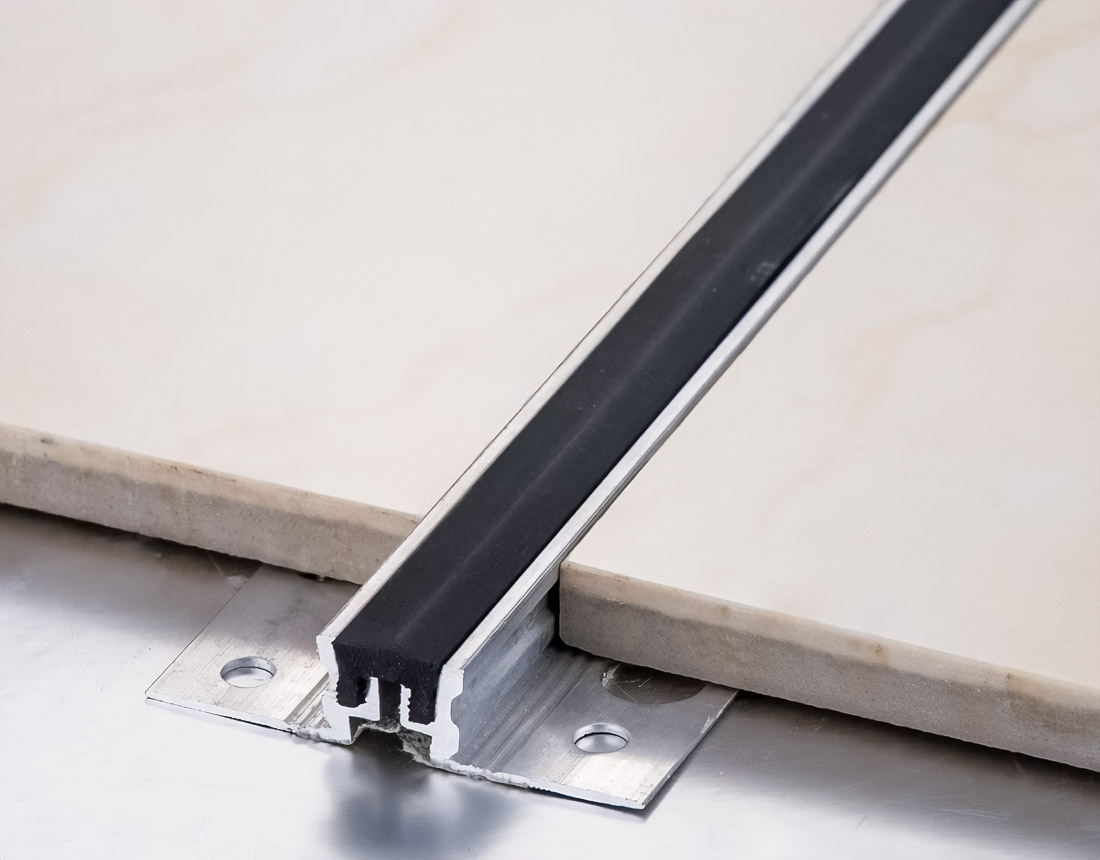
Construction in the Persian Gulf countries is always fraught with challenges. Hot days, cold nights, temperature changes of more than twenty degrees per day all have a devastating effect on concrete, steel and other materials. If such processes are not taken into account, the building quickly becomes cracked, loses its strength and requires expensive repairs. The solution is expansion joints. These seemingly simple gaps save structures from destructive forces, distribute loads, and provide flexibility to structures.
Why Do We Need Expansion Joints?
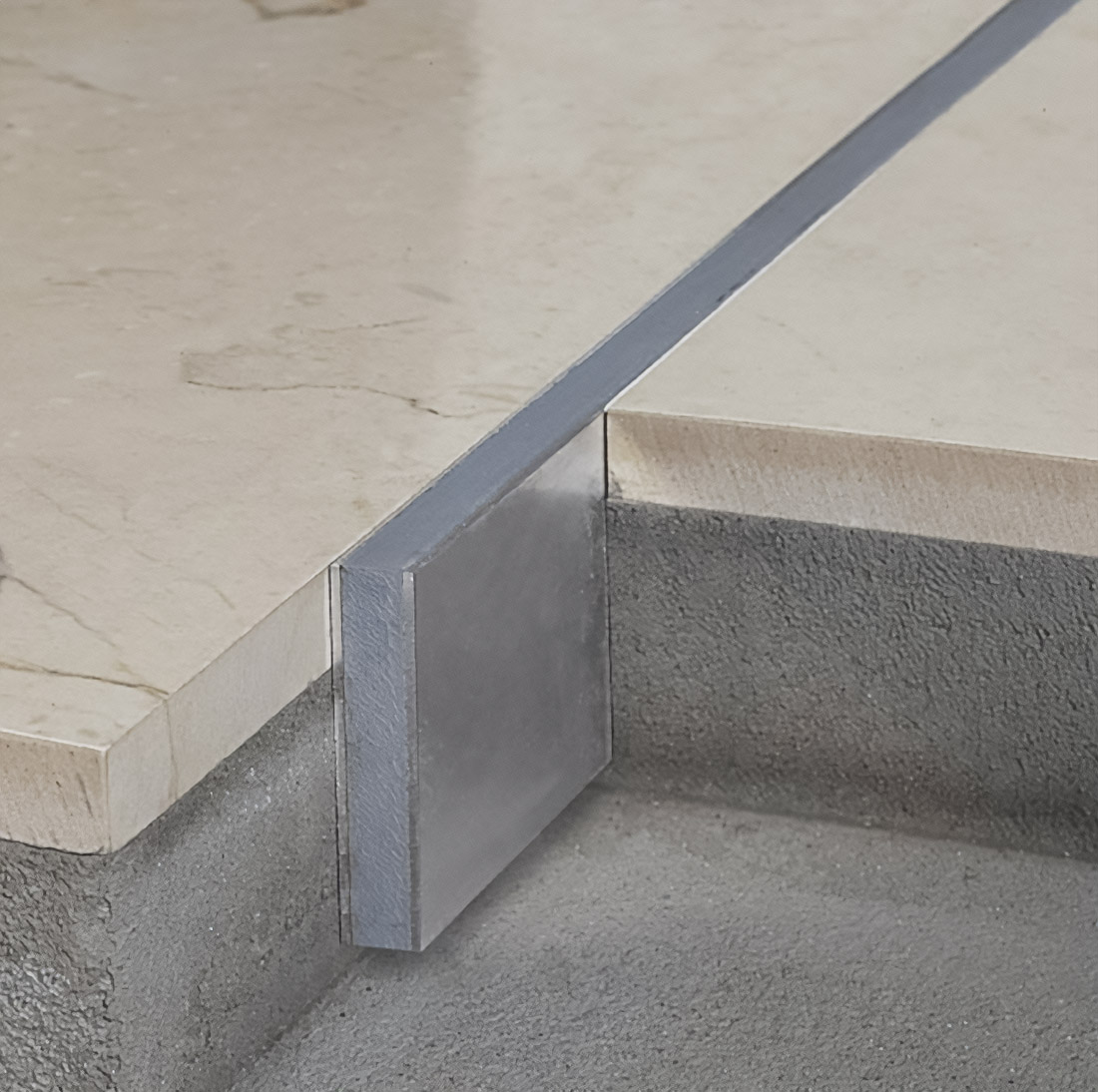
Every building is moving. It is not always noticeable to the eye, but temperature fluctuations, seismic activity, wind pressure and shrinkage of the base inevitably cause dislocations. Expansion joints turn these chaotic movements into controlled ones, preserving the structural integrity and durability of objects. They prevent shrinkage cracks, protect against moisture and prolong the service life of building elements. In the UAE, where high rise towers are subjected to enormous loads, such seams are not an option, but a mandatory standard.
The Variety Of Types And Their Functions
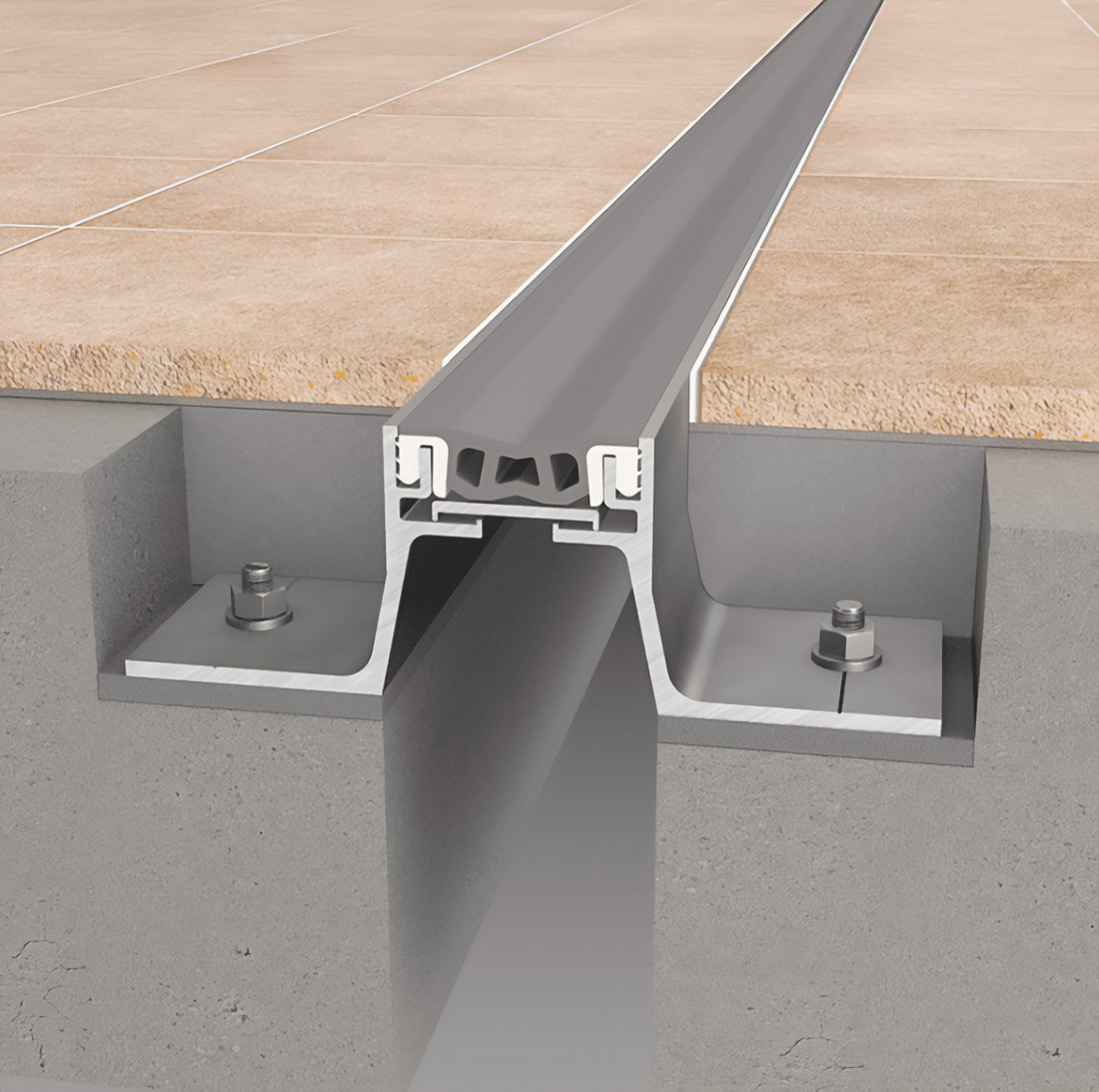
There are many types of expansion joints. Thermal absorbs expansion and contraction from heat and cold. Seismic structures allow buildings to withstand tremors by moving in sections independently of each other. Wind seams distribute the enormous forces generated in skyscrapers from air flows. Sedimentary rocks take over the uneven work of the foundation. Axial and angular displacements along the longitudinal and diagonal axes are perceived. Bridges and parking lots are designed for heavy traffic loads and exposure to chemicals. In HVAC and pipelines, seams protect systems from pressure, vibration, and temperature surges.
Materials And Design Solutions
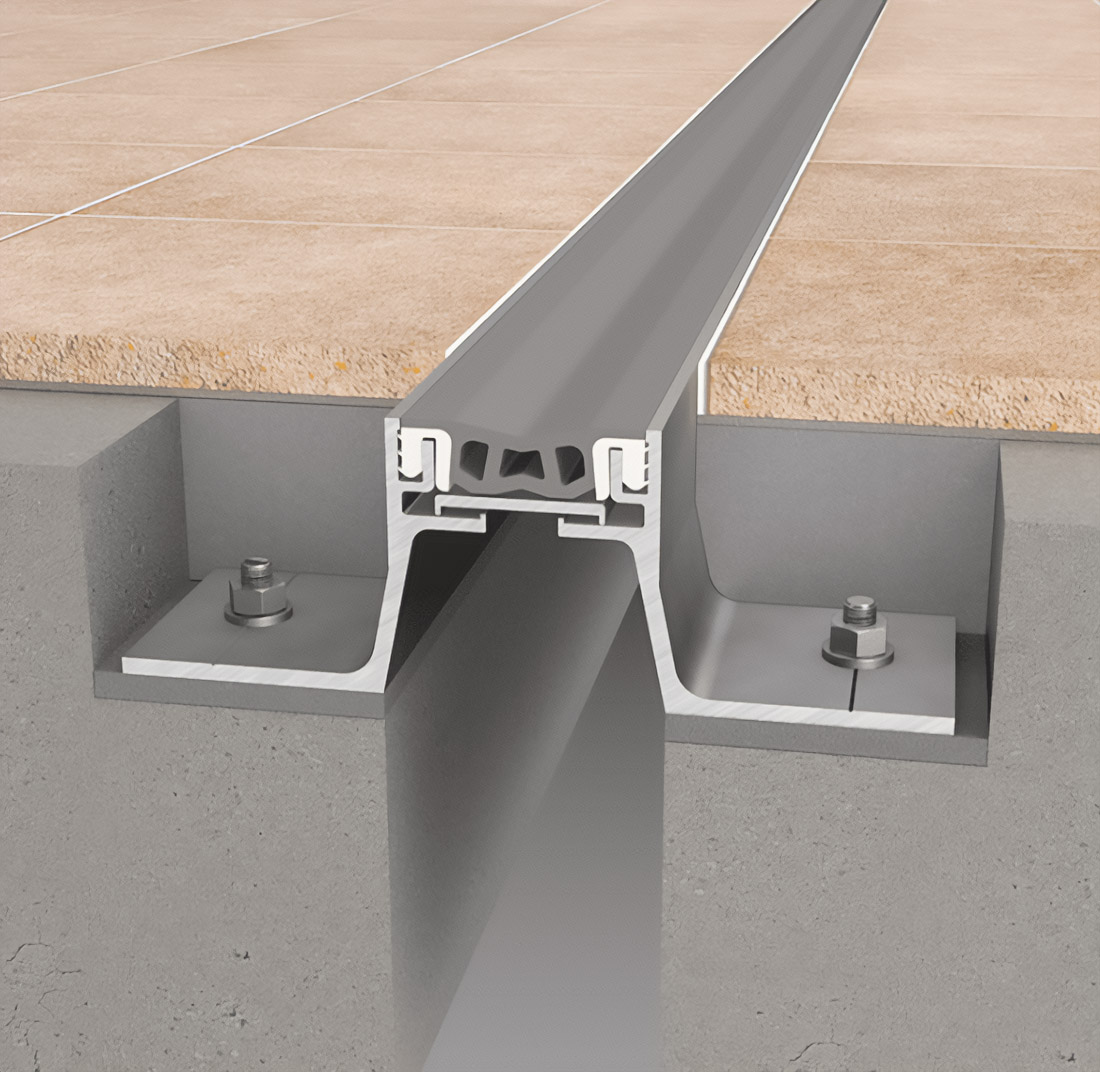
The key to the effectiveness of a seam is its material. Rubber-metal profiles that are resistant to vibrations and moisture are often used in bridges. The pipelines have stainless steel bellows connections that can withstand pressure and aggressive environments. In residential and commercial buildings, elastomers such as EPDM or neoprene are used, which remain flexible even under extreme temperature changes. Textile and rubber versions are used for HVAC systems to reduce noise and vibration. For large-scale projects, engineers often collaborate with aluminium trim manufacturers, since durable metal profiles and trims are essential for seamless integration of expansion systems into walls, floors, and facades.
Functions Beyond The Obvious
The expansion seam is not just about thermal expansion. It protects against water penetration, increases the fire resistance of structures, reduces noise and vibrations. This is especially important in hospitals or laboratories: excessive sound or microcracks can disrupt the normal operation of equipment. In shopping malls and offices, such seams are made almost invisible with cover plates, preserving aesthetics and at the same time playing a key role in building security.
Economic Benefits And Exploitation
During the construction phase, expansion joints may seem like an extra cost. However, in the long run, they are the ones who save millions. Buildings with well-designed expansion joints last for decades without major damage, require fewer repairs, and retain value for owners. In regions with extreme climates, saving on seams is equal to direct risk.
Application Examples
In shopping malls, seams are integrated into floors and facades, protecting structures from cracks. Heavy duty joints are used in parking lots, which can withstand not only cars, but also aggressive substances such as oil or salts. In bridges, deformation joints prevent the spans from shifting under transport load and temperature changes. In the energy sector, pipeline expansion joints insure water supply systems and oil pipelines against accidents caused by pressure drops. In railways, railway expansion joints maintain track accuracy even with daily climate changes.
Expansion joints are the hidden heroes of construction. They are invisible, but they determine how long a building will last and how safe it will be. In the Middle East, where the climate is harsh and construction is large and complex, this element cannot be ignored. Expansion joints provide flexibility, durability and reliability of any structure from a skyscraper to an industrial plant.

I am an accomplished coder and programmer, and I enjoy using my skills to contribute to the exciting technological advances that happen every day.