
Customer flow management today is no longer limited to a simple queue at the counter or door. The flow of people is getting denser, expectations are higher, and customer patience is noticeably shorter. Once the service fails, some of the audience leaves forever: according to research, 32% of customers stop using services after a single unsuccessful experience. Therefore, making an appointment, managing attendance competently, and managing queues thoughtfully turn into a strategic tool rather than a technical detail.
Flexible Recording Versus First-Come, First-Served
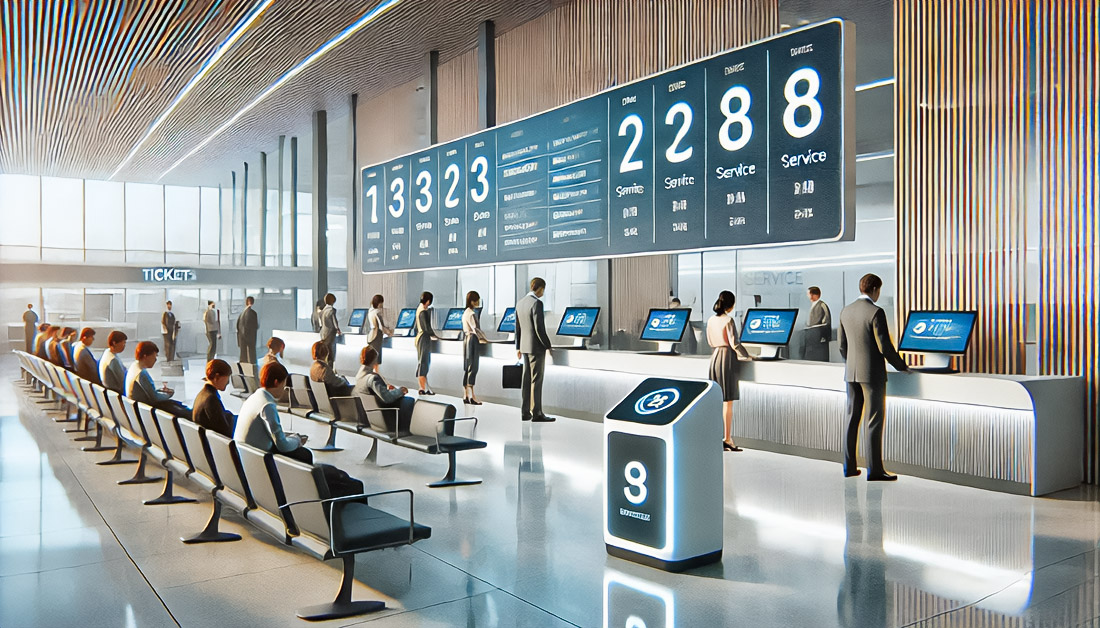
The walk-in model seems simple and friendly: come in, take a seat, wait your turn. For clients, this feels like freedom of choice, but for managing customer flow, such a scheme often turns into chaos. Sudden spikes in traffic, unpredictable waiting times, overloaded staff, and lack of predictable load the result is familiar to many.
Making an appointment gives you a different type of control. The client chooses the service and time in advance, and the organization gets the support to predict demand and allocate resources. Attendance management stops being a reaction to the crowd at the entrance and turns into a systematic work with a schedule.
The best result comes from a combined approach where online recording and live queue work together. Part of the stream goes through pre-reserved slots, the other goes into the virtual queue, preserving the flexibility of the walk-in. This creates a balance between the client’s freedom and the stability of the system.
How Recording Changes Work From The Inside
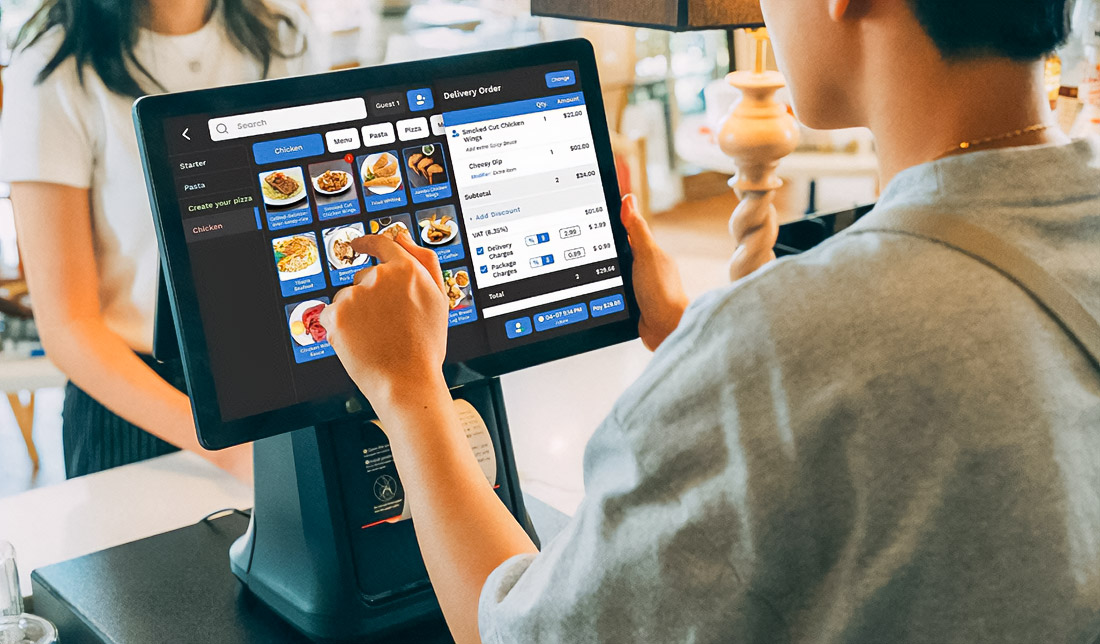
When an appointment is used, the allocation of staff is no longer a guessing game based on the last week. Managers see how many people will come, what services will be in demand, and where peak periods are possible. Demand forecasting is becoming more accurate, and resource optimization is reaching a new level.
Segmentation of clients by type of services allows you to prepare jobs and equipment in advance, and set up a schedule so that complex requests do not overlap. The staff gets the opportunity to prepare for the day, rather than putting out fires along the way. Reducing employee stress is felt especially strongly here, because the constant feeling of unpredictability disappears.
Reducing the waiting time is not a side effect, but a direct consequence of thoughtful planning. When the client flow is controlled, queues become transparent and expectations are reasonable. People understand when they are being served, and they are less nervous, and employees work more calmly and accurately, which naturally strengthens the overall customer service experience.
Communication, Segmentation, And Data
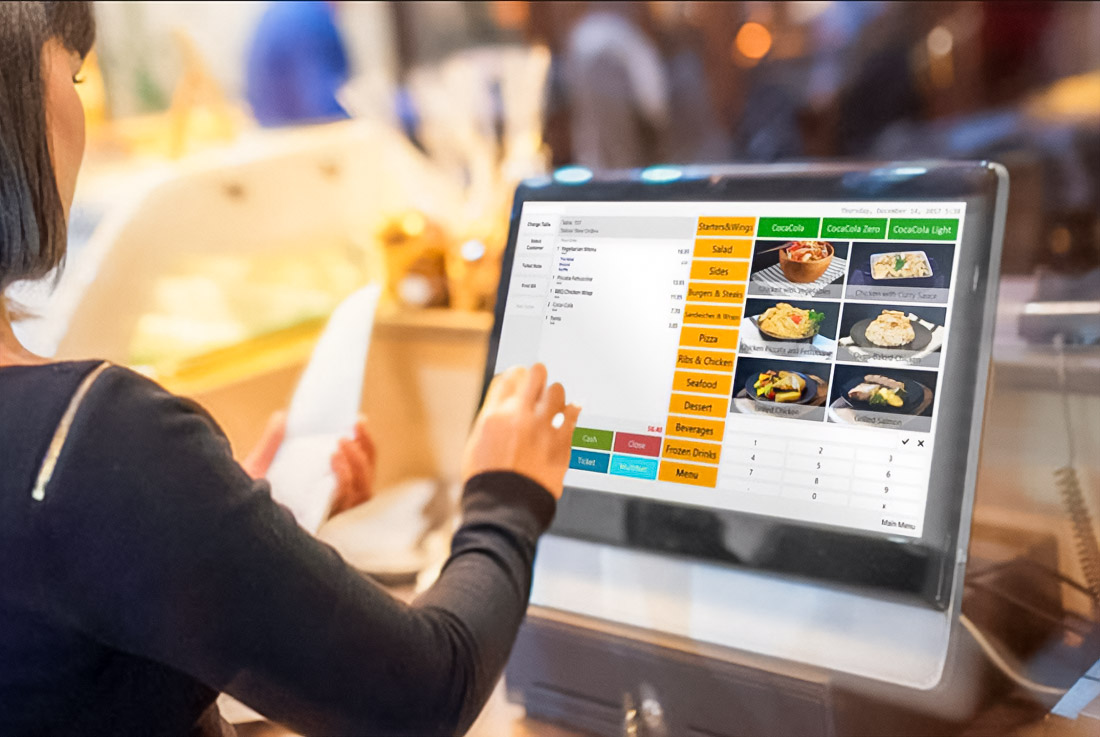
Online recording opens up another important layer of communication. Notifications and reminders keep the client in the loop: confirmation of the appointment, reminder of the appointment time, the ability to quickly change the slot, a message about a delay or postponement. The client does not get lost and does not feel forgotten, and the organization reduces the number of absences and empty windows in the schedule.
A virtual queue enhances this effect. The client can register in advance, receive a link for remote check-in and see their progress in the queue. Customer flow management ceases to be associated with the crowd in the hallway and turns into a controlled process where waiting time becomes meaningful and understandable.
The integration of queue management systems with CRM provides even more opportunities. Data on attendance, peak periods, services in demand, and customer reactions form the basis for further process improvements. Load predictability is increasing, resource management is becoming more accurate, and each subsequent schedule adjustment is based not on intuition, but on facts.
An appointment, online tools, customer segmentation, a virtual queue, and thoughtful communication add up to a single system. At the same time, it makes life easier for customers, reduces the burden on staff, and makes the organization’s work resilient to surges in demand and human error.

I am an accomplished coder and programmer, and I enjoy using my skills to contribute to the exciting technological advances that happen every day.